

Baby Hahn’s macaw


Original price was: $2,200.00.$800.00Current price is: $800.00.
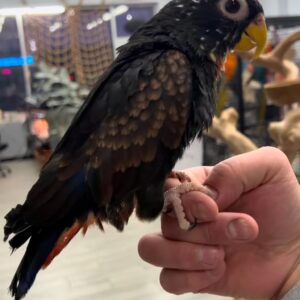
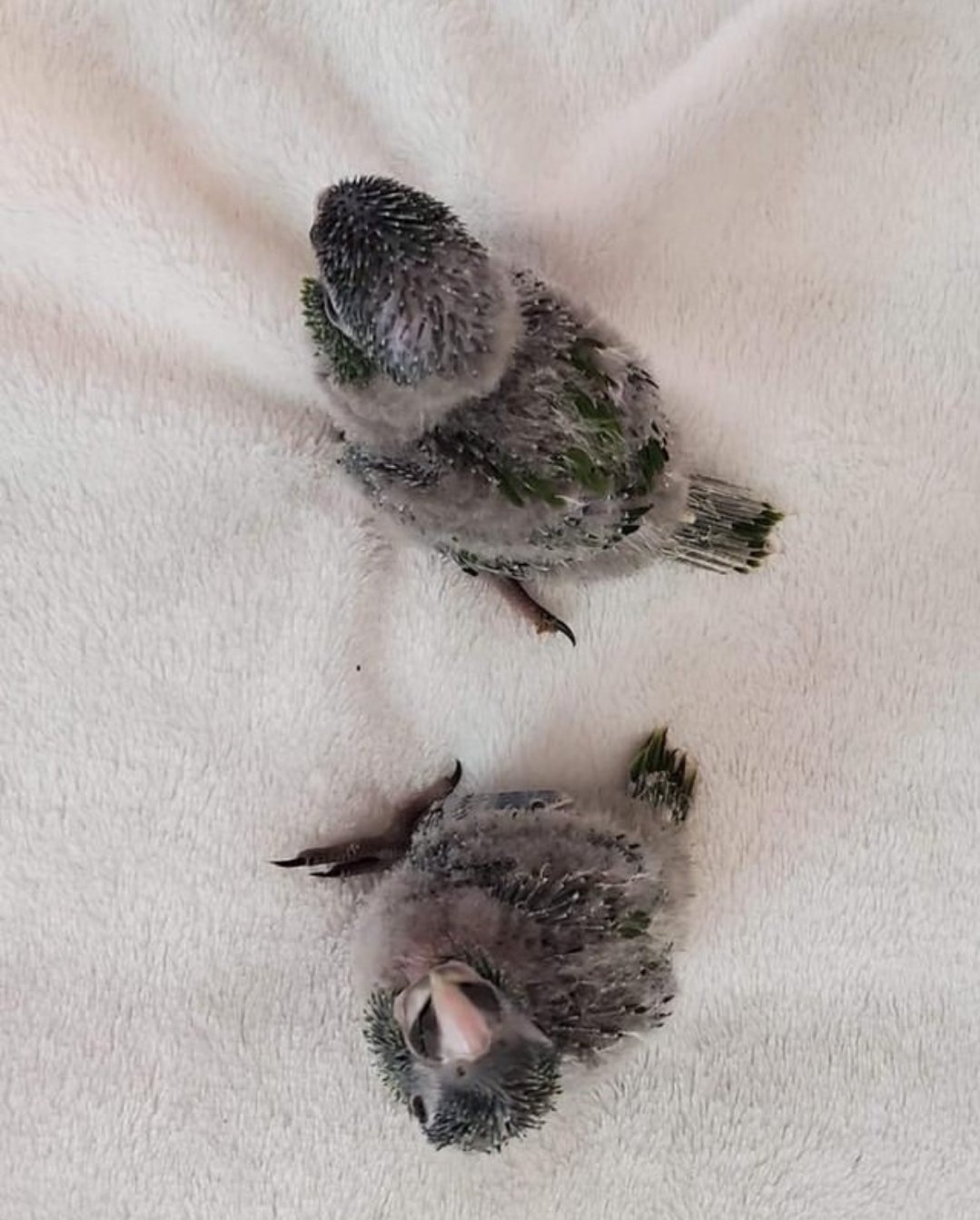
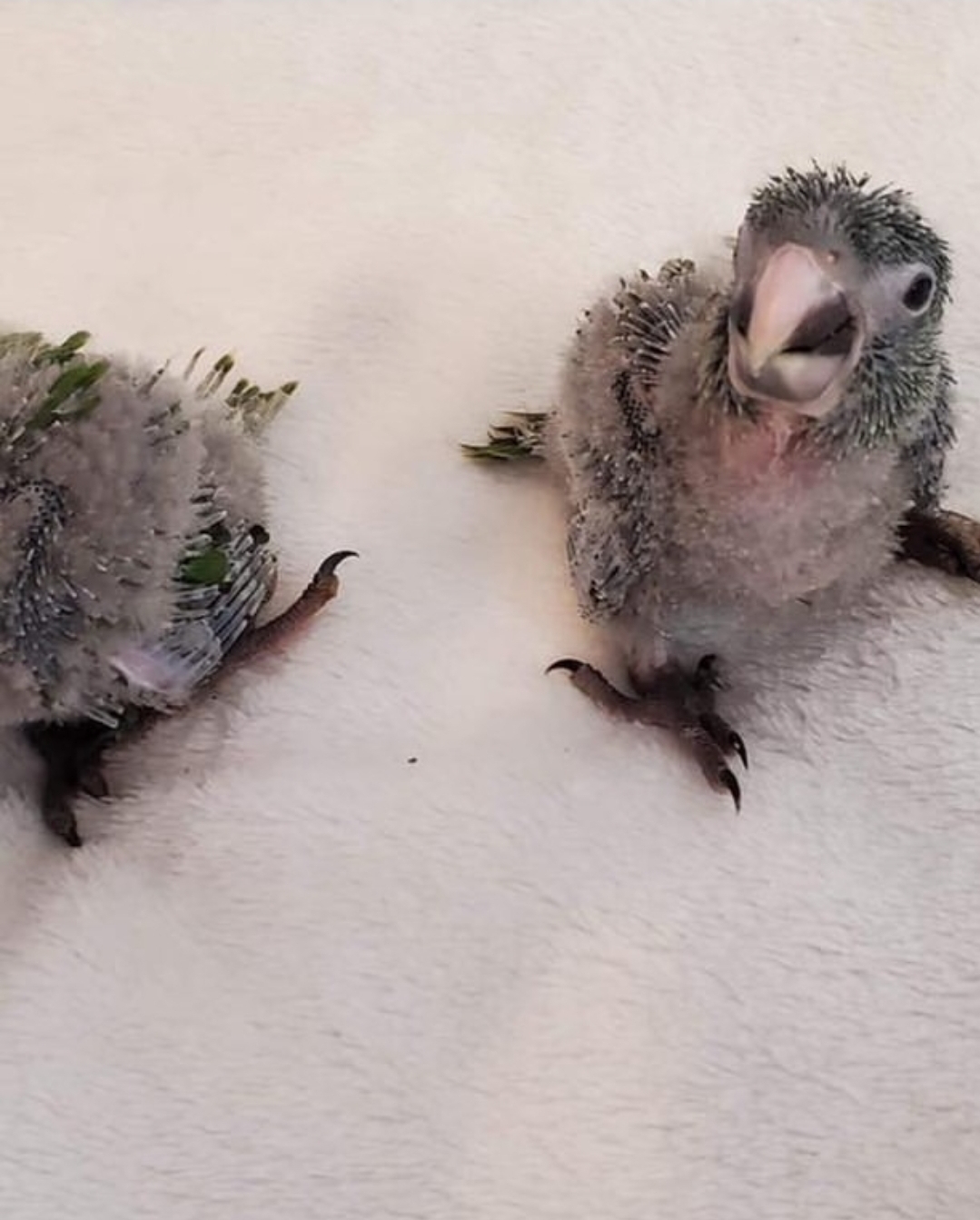
Baby Hahn’s Macaw
The Baby Hahn’s Macaw (Diopsittaca nobilis nobilis), also known as the Red-Shouldered Macaw, is the smallest member of the macaw family and is highly prized for its playful personality, intelligence, and affectionate nature. Despite its compact size, this charming parrot has all the charisma and engaging traits of its larger macaw relatives, making it an excellent companion for bird lovers of all experience levels.
Hand-raised and well-socialized, a baby Hahn’s Macaw quickly develops strong bonds with its family and enjoys being involved in daily activities. These curious and energetic birds thrive on interaction, mental stimulation, and positive reinforcement, making them eager learners that can master tricks, commands, and a variety of words and sounds.
Known for their vibrant green plumage, striking blue highlights on the wings, and distinctive red shoulder patches, Hahn’s Macaws are as beautiful as they are intelligent. They enjoy climbing, exploring, and playing with toys that encourage natural foraging and problem-solving behaviors.
Features
- Species: Hahn’s Macaw (Diopsittaca nobilis nobilis)
- Age: Baby
- Temperament: Friendly, playful, intelligent, affectionate, and curious
- Lifespan: 25–35 years with proper care
- Diet: High-quality pellets, fresh fruits, vegetables, nuts, and clean, fresh water
- Activity Level: High – requires daily exercise, enrichment, and social interaction
- Talking Ability: Good – capable of learning words, phrases, and household sounds
- Ideal For: Families, individuals, and bird enthusiasts seeking a smaller macaw with a big personality
The Baby Hahn’s Macaw is an outstanding choice for anyone looking for an active, loving, and highly interactive companion. With proper nutrition, regular veterinary care, daily enrichment, and consistent socialization, this delightful parrot can become a devoted family member for many years.
Please Note: Hahn’s Macaws are highly social birds that require daily attention, mental stimulation, and regular out-of-cage time to thrive. Prospective owners should be prepared to provide a spacious environment, enriching activities, and a lifelong commitment to ensure their macaw remains healthy, happy, and well-adjusted.
| Gender | Female, Male, Pair |
|---|
Related products

Parrot

Parrot

Parrot